


BVA urges concerned farmers to seek advice from their vet.
The Scottish Government has confirmed a case of classical Bovine Spongiform Encephalopathy (BSE) in a cow on a farm in Dumfries and Galloway.
Precautionary measurements are in place and further investigations are underway to identify the origin of the disease. Ministers say the case was identified through routine BSE surveillance.
The animal did not enter the human food chain, and Food Standards Scotland have confirmed there is no risk to human health.
Agriculture minister Jim Fairlie said: "Following confirmation of a case of classical BSE in Dumfries and Galloway, the Scottish Government and other agencies acted swiftly and decisively to protect the agriculture sector.
"The fact we identified this isolated case so quickly is clear proof that our surveillance system for detecting this type of disease is working effectively.
"I want to thank the animal's owner for their diligence. Their swift action allowed us to identify and isolate the case immediately, minimising its impact on the wider industry."
BVA president Dr Rob Williams, added: “While this is clearly concerning for everyone involved in the farming industry and the veterinary profession, it shows that the comprehensive and robust veterinary surveillance system is working effectively to detect potential risk, helping the authorities to put in place appropriate precautionary measures.
“We’re in close contact with colleagues in the relevant species divisions and with the Scottish Government. We will update members with any new information as it emerges and once APHA completes its investigations. Any farmer who has concerns about their animal’s health should seek immediate advice from their local veterinary practice.”
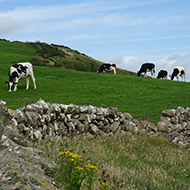
Image (C) Lucas Nightingale/Shutterstock.com


 Veterinary practices are being urged to help owners safely dispose of any unused and expired pet medicines - not just antibiotics - during November's Animal Medicines Amnesty.




