


The charity is asking its supporters to “give what they can”
The National Trust has launched an emergency appeal to help restore the landscape at Dunwich Heath in Suffolk, following a major fire.
Starting on Wednesday (29 July) on neighbouring land, the blaze decimated 220 football pitches’ worth of heathland. It destroyed vital habitats for some of Britain’s rarest species and ruined hectares of unique scenery, including the Heath’s famous carpet of purple heather.
Now the charity is asking supporters to “give what they can” to support its long-term recovery efforts.
Hilary McGrady, the Trust’s Director-General, said: “We are looking at total devastation of a beloved and important landscape. We’ve lost precious habitats, wildlife, trees, and a place where people have made memories over generations. It’s heartbreaking.
“But together we can and will restore Dunwich, and crucially, make it more resilient and better adapted for the climate we’re facing now, and the climate we’ll be facing in future.”
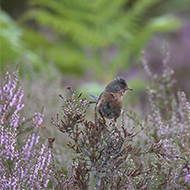
Dunwich Heath and the neighbouring RSPB Minsmere reserve are important habitats for heathland birds, including the Dartford warbler, nightjar and skylark. The land, which is also home to lizards, adders and slow-worms, had just started showing signs of recovery following the extreme heat of 2022.
Hilary added: "We’re working hard to tackle climate change and prepare for more of it, but there’s more hard work to be done.
“We can’t do it alone. We’re a charity that relies on public support in so many ways. If you can donate, however much, please don’t hesitate. Your money will go directly to the restoration of Dunwich, to regrow habitats and homes for wildlife, build more resilience into the landscape, and return this iconic place to the nation.”
The Dunwich Heath Fire Appeal can be found at: nationaltrust.org.uk/dunwich-heath-appeal
Image (C) StephenEllis35/Shutterstock.com


 Companies marketing medicines for small pets exempt from authorisation must submit their annual return to the Veterinary Medicines Directorate (VMD) by 30 November 2026.



