


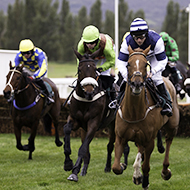
There have been 32 equine deaths over the last decade.
The RSPCA has published a statement highlighting equine safety concerns ahead of the Cheltenham Festival (10- 13 March).
The Cheltenham Festival is one of the biggest events in the horse racing calendar, and is expected to attract hundreds of thousands of visitors over the coming days.
Speaking on the eve of the event, an RSPCA spokesperson said: “Ahead of the Cheltenham Festival, we hope that each and every horse taking part comes through safely and well.
“It is desperately sad that 32 horses have died at the Festival over the last decade - a situation at odds with the UK’s status as a nation of animal lovers. Clearly any animal fatality is tragic, and this is amplified when deaths have occurred solely as a result of providing entertainment for people.
“The RSPCA shares public concerns about race-horse welfare, so we engage with the industry to advocate for equine welfare improvements. We met with the British Horseracing Authority (BHA) on the eve of the Cheltenham Festival and will maintain daily contact throughout, highlighting the importance of this ongoing relationship”.
The RSPCA’s collaboration with the BHA has already led to a number of steps to reduce risks to racehorses. Among these include improvements to hurdle design, track safety and risk mitigation for the Grand National. However, the charity stressed that ‘there is much more to do’.
The spokesperson continued: “Cheltenham is one of the biggest events in the horse-racing calendar - and we know the eyes of the world will be on Prestbury Park in the coming days. But it's also important to remember this is one of hundreds of competitive horse-racing events that take place across England and Wales every year - and the welfare of horses at all these events is equally important, as is their experience both on and off the track.
“That’s why we will keep engaging with the racing industry to encourage continual welfare improvements and explore further measures to protect horses from injury and death, and promote good welfare throughout their lives.”
Image (C) Lesley Rigg/Shutterstock.


 A nationwide roadshow offering free, personalised parasite risk assessments and flea and tick checks will be visiting popular dog events across the UK.



