


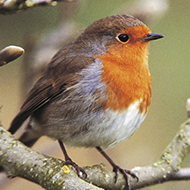
Hundreds of thousands of nature lovers are expected to participate.
The RSPB’s largest garden wildlife survey gets underway today (23 January), with hundreds of thousands of nature lovers expected to get involved.
Taking place over three days (23-25 January), the Big Garden Birdwatch will see people across the UK count the birds in their garden or local park, and send their findings to the RSPB.
Last year’s event saw a staggering 600,000 people take part, counting more than nine million birds of over 80 species. The results are used by the RSPB to help understand how garden birds are faring in the UK.
Beccy Speight, the RSPB’s chief executive, explains: “By taking part in the Birdwatch, you and hundreds of thousands of other nature lovers across the UK are helping us understand how garden birds are doing. Birds and wildlife are struggling right now. Every observation counts, even if you see nothing at all.
“Whether you live in a city or the countryside, anyone, anywhere, can take part in the Big Garden Birdwatch – even if you don’t have a garden! A park, balcony, allotment, or window box will do. Simply spend an hour and count the birds you see. It’s good for wildlife and evidence shows it’s good for our own wellbeing.”
The Big Garden Birdwatch has been running for four decades, helping to highlight the winners and losers of the garden bird world. In 2025, the House Sparrow ranked number one for the 22nd consecutive year, but numbers were down 11 per cent compared to 2024.
Average house sparrow counts were also the lowest since 1998 and down 64 per cent compared to the first BGBW in 1979.
Conversely, woodpigeon counts rose, with the average number recorded in 2025 at its highest level since the Big Garden Birdwatch began. It was also the third time the woodpigeon ranked third place in the UK.
Beccy added: “Even on the greyest winter day, garden birds bring a welcome dose of nature into our everyday lives. Take a moment to pause, to listen, to notice. We need nature, and nature needs us. By joining the Big Garden Birdwatch, you’re doing something positive for birds and nature. Because when we act for nature together, we can do so much more.”
Image (C) Shutterstock.com/Andy Hay.


 Companies marketing medicines for small pets exempt from authorisation must submit their annual return to the Veterinary Medicines Directorate (VMD) by 30 November 2026.



