


Some of the most challenging topics facing the veterinary profession are set to go under the spotlight at the upcoming Veterinary Management Group (VMG) Congress.
The event, which takes place in Stratford upon Avon (8-9 June), will tackle suicide prevention and supporting the veterinary team after a challenging event, focusing on the signs to look out for and best practice on prevention and intervention.
Research shows that veterinary surgeons are at four times more risk of suicide than the general population and around twice that of other healthcare professions. Despite the fact that mental health is being more widely discussed within the profession, suicide continues to to be a difficult topic. However, colleagues can play a critical role in identifying whether a team member is struggling.
To help address this problem, the VMG Congress will include a Suicide Prevention Workshop, in which experts in mental health, well-being and suicide prevention will help delegates understand:
- suicide ambivalence, the suicidal mind and early signs to be alert for
- warning signs transmitted during suicide crisis and how to approach a colleague about suicide
- myths and good practice in suicide prevention and intervention.
Among the speakers will include Sherry Adams, CEO of We Mind & Kelly Matters, a suicide prevention charity, and Kevin Moore and Bob Kitchin of Big Dog Little Dog, a not-for-profit business specialising in psychological well-being and mental health.
Amy Martin RVN, director of Holly House Vets, will also lead a session for veterinary leaders on learning to stay resilient after a challenging event while working in a demanding profession.
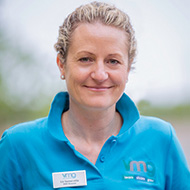
VMG director Liz Somerville said: “All of our sessions will emphasise practical steps that our delegates can take, whether to improve the profitability of their business or well-being, mental health and career opportunities within their teams.
“Individuals working in the veterinary sector sometimes have to confront the most difficult and painful challenges so providing specific support and guidance on handling these situations was a priority for us as we developed the programme.”
For more details about the Congress programme and ticket prices, visit the VMG Events website.
Image (C) VMG.


 Companies marketing medicines for small pets exempt from authorisation must submit their annual return to the Veterinary Medicines Directorate (VMD) by 30 November 2026.



