


Suspected squirrelpox outbreak reported in Scotland
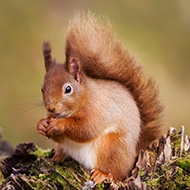
At least 10 red squirrels have been found dead in Johnsfield, near Lockerbie, Scotland.
An emergency squirrelpox outbreak response has been launched after multiple red squirrels were found dead near Lockerbie, Scotland.
According to Saving Scotland's Red Squirrels (SSRS), at least 10 red squirrels have been found dead in Johnsfield within the past few weeks.
Nicole Still, programme manager for Saving Scotland’s Red Squirrels, described the outbreak as 'devastating', and urged the public to help by reporting all sightings of red and grey squirrels to their website.
Squirrelpox is carried by non-native grey squirrels, which appear to be unaffected. However, when passed to red squirrels, the virus can be lethal.
Symptoms include weeping lesions on the face, paws and genitalia, which prevent the red squirrel from eating, drinking or moving. As such, death usually occurs within two weeks and can lead to a crash in local numbers.
Andrew Hodgkinson, project officer for Saving Scotland’s Red Squirrels, said: “This is a particularly vulnerable time for red squirrels, as they prepare for the upcoming mating season and increase contact with one another.
“We have deployed our emergency squirrelpox outbreak response measures, and as such locals can expect to see an increased staff and volunteer presence in the area as we increase grey control efforts in the region in a bid to stem the outbreak.”
The first recorded case of squirrelpox in Scotland was discovered in 2007 close to Lockerbie, and since then, the illness has spread to several red squirrel populations in the south. As grey squirrels are considered to be widespread throughout South Scotland, conservationists believe the disease could be passed to local red squirrel populations in any area.
Work to control grey squirrel populations in recent years has enabled the local red squirrel populations to recover. Studies show that when grey squirrel numbers are kept low, red squirrels are given enough time to repopulate an area after suffering a significant decline.
Nicole Still, programme manager for Saving Scotland’s Red Squirrels said: “It is devastating to learn of this squirrelpox outbreak.
“Members of the public can help by reporting all sightings of red and grey squirrels to us via our website, thoroughly cleaning all garden feeders with an anti-viral solution which is available from most local farm supply shops, taking feeders down for two to four weeks, and posting any dead red squirrel carcasses found to the Royal (Dick) School of Veterinary Studies for post-mortem analysis.”


 Companies marketing medicines for small pets exempt from authorisation must submit their annual return to the Veterinary Medicines Directorate (VMD) by 30 November 2026.



