


Dog owners urged to be vigilant over festive treats
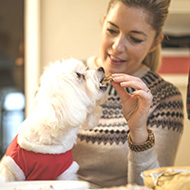
The Kennel Club is urging owners to remain vigilant this December to avoid an unnecessary veterinary bill.
Dogs are 53 per cent more likely to be treated for eating human food that is poisonous to them, or ingesting ‘foreign bodies’, in December, compared to any other month of the year, according to new research.
Figures released by The Kennel Club - collected by the organisation’s insurance partner - also show that December has consistently been the highest month for intoxication claims since 2015, with the highest claim reaching over £1,600 following a dog eating a mince pie.
It comes amid further research from The Kennel Club that reveals two in five (40%) dog owners are worried about how they will care for their dog if the cost of living continues to rise. Recent findings from Dogs Trust suggest that the most significant financial concern facing dog owners is affording veterinary bills.
In light its findings, the Kennel Club is urging owners to remain vigilant, not only to protect the nation’s dogs, but also to avoid unnecessary veterinary bills.
Bill Lambert, health, welfare and breeder services executive at The Kennel Club, said: “While Christmas should be a joyful and exciting time for the whole family, it can often be not only stressful and confusing for our pets, but sometimes dangerous as well, especially if certain treats and presents can land in the wrong paws.
“Of course, many families will also be experiencing additional stress this Christmas owing to the cost of living crisis and may not be able to cope with any additional and unexpected financial burden, such as emergency veterinary treatment. While this can be extremely costly, and not to mention incredibly upsetting for both dogs and their owners, it can also often be avoided as long as owners are vigilant and take necessary precautions.”


 Eligible members of BEVA will be able to vote for their Council team until Monday, 17 August 2026. Members will have received an election email on 17 July.



