


BVA warns pet owners of winter hazards
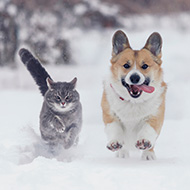
"When it's cold for us, it's cold for our pets, which is why it's important to take extra precautions" - Justine Shotton.
The British Veterinary Association (BVA) is reminding pet owners to protect their pets this winter, as temperatures drop and winter hazards become more prevalent.
With exposure to antifreeze, toxic grit and exposure to extremely cold weather posing potential hazards, BVA has shared its top tips for pet owners to keep their pets safe over the frosty season.
These include:
- putting a coat on older dogs or those with thin fur during walks
- wipe dogs paws and belly once home to remove ice or salt
- store and use antifreeze products carefully
- keep pets in a warm, draught free area and keep outdoor pet enclosure off of the ground
- check water bottles, bowls or troughs regularly as these can freeze.
Senior vice president of the BVA, Justine Shotton, told pet owners: “When it’s cold for us, it’s cold for our pets, which is why it’s important to take extra precautions to keep them safe and warm.
“During the coldest months, dogs and cats need easy access to shelter and a cosy den, and while dogs will still need exercise, owners should take precautions to protect them from the cold.
“Antifreeze is a huge hazard for cats, so contact your vet immediately if you see signs of poisoning such as vomiting, depression, lack of coordination, seizures and difficulty breathing.
“Rabbits and guinea pigs are also vulnerable to hypothermia despite their warm coats, so owners should take steps to ensure any outdoor hutches are well protected from the snow, cold draughts and winter rain.
“If you have any concerns about your pet in this cold weather, please consult your local vet for advice.”
The full list of top tips can be found on the BVA website.


 Eligible members of BEVA will be able to vote for their Council team until Monday, 17 August 2026. Members will have received an election email on 17 July.



