


Genome sequencing reveals insights into atopic dermatitis
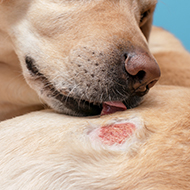
Researchers identified connections between atopic dermatitis and severla regions of the genome.
A study from Uppsala University's dog genetics group has found connections between atopic dermatitis (eczema) in dogs and regions of the genome.
The researchers identified candidate genes with potential relevance to how canine atopic dermatitis develops, and found links with atopic eczema in humans.
Ordinary blood samples from dogs were used in genome sequencing, and new gene mapping methods provided a better understanding of the complex genetics involved in canine atopic dermatitis, identifying risk factors.
Katarina Tengvall, first author of the study, said: “The new methods make it possible to find new risk factors that have become common in the specific breed, perhaps because of the selection for other characteristics.
“The candidate genes identified here are important for both the nature of the skin barrier and the immune defence, as expected in atopic eczema.”
While the study showed several correspondences with genes associated with atopic dermatitis in humans, the most powerful genetic risk factor in humans - the genetic region containing filaggrin gene - is also a risk factor in dogs.
Senior author of the study Professor Kerstin Lindblad-Toh explained: “This highlights the value of canine studies of genetic diseases that also affect humans.
“A better understanding of the disease mechanisms may ultimately lead to better therapies for dog and human alike.”
Published in Communications Biology, the full study is available to read on the journal's webpage.


 Eligible members of BEVA will be able to vote for their Council team until Monday, 17 August 2026. Members will have received an election email on 17 July.



