


More than 200 cases have been confirmed in the UK since October 2021.
A second case of highly pathogenic avian influenza H5N1 has been confirmed at a poultry premises near Redgrave, Mid Suffolk.
Confirming the outbreak on Sunday (11 December), the Animal and Plant Health Agency said a 3km protection zone and 10km surveillance zone had been placed around the affected premises, and that all poultry will be humanely culled.
According to BBC News, the affected premises is poultry producer Gressingham Foods, whose Debach site near Woodbridge, Suffolk, was also affected by the disease earlier this year. The outbreak saw the cull of some 35,000 ducks.
The UK is currently facing its biggest ever outbreak of avian flu, with more than 200 cases confirmed since late October 2021. A national housing order was introduced across England on Monday, 7 November 2022, making it a legal requirement for keepers of all poultry and captive birds to house their flocks,
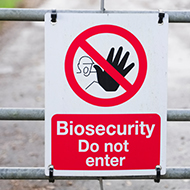
The UK's chief veterinary officer Christine Middlemiss called on farmers to maintain strict biosecurity standards in an effort to protect their birds.
She said: “We are now facing this year, the largest ever outbreak of bird flu and are seeing rapid escalation in the number of cases on commercial farms and in backyard birds across England. The risk of kept birds being exposed to disease has reached a point where it is now necessary for all birds to be housed until further notice.
“Scrupulous biosecurity and separating flocks in all ways, from wild birds remain the best form of defence. Whether you keep just a few birds or thousands, from Monday, 7 November onwards you must keep your indoors. This decision has not been taken lightly, but is the best way to protect your birds from this highly infectious disease.”
The housing order was introduced after the disease was detected at more than 70 premises since the beginning of October 2022, and multiple reports in wild birds. It builds on the strengthened biosecurity protocols introduced as part of the Avian Influenza Prevention Zone (AIPZ).


 A nationwide roadshow offering free, personalised parasite risk assessments and flea and tick checks will be visiting popular dog events across the UK.



