


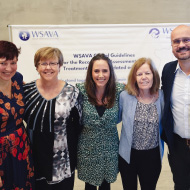
Updated format and information now available.
The World Small Animal Veterinary Association (WSAVA) has launched its updated Global Guidelines for the Recognition, Assessment and Treatment of Pain at its annual World Congress.
Well-received by WSAVA association member representatives at the World Congress in Lima, Peru last month, the Guidelines have been published by the Journal of Small Animal Practice (JSAP), and are available to download for free from the WSAVA website.
Alongside the updated information, the Guidelines have an updated accessible format, with increased use of visuals and graphics, links provided to recommended tools and additional resources and videos linked for those wanting to expand further.
Incorporating advances in knowledge and new evidence on pain assessment, the new Guidelines particularly emphasise the use of pain scales for the assessment of acute and chronic pain in companion animals.
For managing pain, the Guidelines evaluate the performance of new drugs and non-drug therapies, including monoclonal antibodies and acupuncture.
Also stressed in the Guidelines is the consideration of euthanasia in cases where pain cannot be effectively managed and quality of life is poor.
WSAVA has also prioritised global relevance, with tiered protocols offered to guide veterinary surgeons with restricted access to analgesic drugs. The role of local anaesthetic techniques and non-drug therapies, as well as the importance of nursing and supportive care are highlighted to work around limitations.
Currently available in English, the Guidelines are currently being translated into Spanish, Portuguese, Chinese and other languages.
Image (C) WSAVA


 Companies marketing medicines for small pets exempt from authorisation must submit their annual return to the Veterinary Medicines Directorate (VMD) by 30 November 2026.



