


RSPCA discourages DIY firework displays
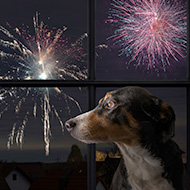
The charity is urging the public to make fireworks less frightening for animals.
The RSPCA is urging the public to take animals into consideration when thinking about planning a DIY fireworks display, with major displays across the country reportedly cancelled.
New statistics shared by the charity have shown that almost two-thirds (63 per cent) of pet owners surveyed said that their pet appeared distressed during firework season.
Following last year's release of the RSPCA's online reporting form about the impact of fireworks on their animals, the platform has received 11,785 responses – highlighting the severity and widespread nature of the issue.
RSPCA campaigns manager Carrie Stones said: “We fear that there will now be lots of little displays taking place over weeks and weeks, spreading out fireworks noise and causing prolonged distress for animals across a larger area.
“We’d urge people to be considerate and keep neighbours with animals, including those with nearby horses and other livestock, informed of plans well in advance so they can make preparations to reduce the stress to their animals.
“Equally lower-noise fireworks can make such a difference to make displays safer for everybody."
The charity is also reminding the public that fireworks can also seriously impact wildlife, with animals such as hedgehogs at risk of being burnt alive after making homes inside bonfires, and birds who flee their nests due to noise disturbance.
For people who wish to get involved with the RSPCA's #BangOutOfOrder campaign, futher information can be found on the RSPCA website.


 Eligible members of BEVA will be able to vote for their Council team until Monday, 17 August 2026. Members will have received an election email on 17 July.



