


Nominations open for AMTRA council representatives
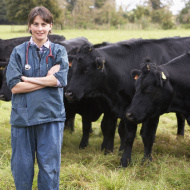
AMTRA is seeking representatives in the RAMA categories of farm animal, equine and companion animal practice.
Nominations for council representatives on the Animal Medicines Training Regulatory Authority (AMTRA) Board have opened.
AMTRA Council advises the board and AMTRA secretariet on various issues affecting Registered Animal Medicines Advisors (RAMAs) and ensures that their voices are represented on the Council.
This year there are eight available seats for council representatives compared to six in previous years. Representatives are elected by Registered Animal Medicines Advisors (RAMAs) to represent those working in the industry.
Specifically, AMTRA Council is seeking two RAMAs each representing the categories of farm animal, equine and companion animal practice. The chair of council will also appointing a further four representatives to ensure that all voices and areas of the industry are covered.
John Blackwell, AMTRA vice-chair and AMTRA council chair, commented: “The inclusion of RAMAs who are working ‘on the front line’ is, for me, crucial in formulating strategy and policy, bringing current ideas to the table and helping the Council make good decisions.”
“It’s important that all areas of our industry are represented, and by further increasing the number of RAMAs on council, we are gold-plating and increasing the breadth and depth of the council."
He added: “We encourage an open flow of communication, in both directions, but there’s scope to make of the role whatever you wish, and RAMAs may have some ideas we haven't thought of,” he adds.
Board members will be required to attend four Zoom meetings per year and to contribute to these in a meaningful way. Representatives may also be required to respond to occasional emails or correspondence from AMTRA staff on various topics.
Nominations should be emailed to stephen@amtra.org.uk with a 250-word explanation to fellow RAMAs about why they believe they are suitable for the role. The closing date for applications is 15 November 2022.


 A nationwide roadshow offering free, personalised parasite risk assessments and flea and tick checks will be visiting popular dog events across the UK.



