


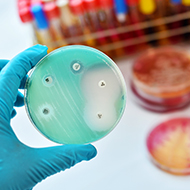
New FAO publication highlights the success of the UK's approach to AMR.
A multi-sectorial collaborative approach contributed to halving the sale of antibiotics in the UK livestock industry, a report has found.
The Veterinary Medicines Directorate (VMD) says that success in tackling antimicrobial resistance (AMR) can be achieved if the livestock industry takes ownership of the issue and drives the work of its sectors.
AMR is recognised as one of the greatest public health threats facing humanity. Driven by the misuse and overuse of antimicrobials, the cost of AMR to the economy is significant - and without effective microbials, the success of modern medical treatments are also at risk.
The report, jointly produced by the FAO and the VMD, highlights the success of the UK's collaborative approach to AMR, which has seen the country halve the sale of antibiotics for food-producing animals since 2014.
It underlines the key factors for the this success, namely a strong relationship between veterinary surgeons and farmers, setting targets tailored to the challenges of each livestock sector and ensuring access to data for target setting and monitoring.
Also highlighted are the significance of teamwork, open and honest communication and committed leadership.
Christine Middlemiss, UK’s chief veterinary officer, commented: “We are proud of the achievements detailed within this report, which represents a concerted effort from all those involved, and hope that the lessons here can inspire others to embark on their own stewardship journeys.
“The UK will continue to work alongside our global partners to promote the responsible use of antimicrobials.”


 Companies marketing medicines for small pets exempt from authorisation must submit their annual return to the Veterinary Medicines Directorate (VMD) by 30 November 2026.



