


Poultry housing order declared in East Anglia
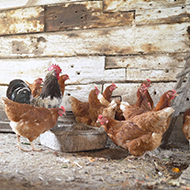
Poultry keepers are encouraged to use the upcoming days to prepare for the new housing measures.
New housing measures to protect poultry and captive birds in Norfolk, Suffolk and parts of Essex will come into force on Wednesday (12 October), making it a legal requirement for all bird keepers in these hotspots to keep their flocks indoor.
The move follows a decision by the UK's chief veterinary officer Dr Christine Middlemiss, following an increase in avian influenza cases in the region. Since the start of September, the disease has been identified at 16 premises in the affected areas, as well as in wild birds.
Dr Middlemiss urges all bird keepers in the affected regions to use the upcoming days to prepare for the housing measures, including taking steps to safeguard animal welfare, consult their vet and expand housing where necessary.
She said: “We are seeing a growing number of bird flu cases on commercial farms and in backyard birds across Norfolk, Suffolk and Essex, and expect the risk to continue rise over the coming months as migratory birds return to the UK.
“We are now taking further action to help protect flocks from this highly infectious and devastating disease. Keepers in these hotspots must continue to follow strict biosecurity standards to protect their flock, and should use the next few days to prepare and move their birds indoors.”
The new housing measures build on the strengthened biosecurity measures introduced as part of the Avian Influenza Prevention Zone (AIPZ) last month, covering Norfolk, Suffolk and parts of Essex
It comes as the UK continues to face its largest ever outbreak of avian influenza. Since last October, more than 160 cases of the virus have been identified.


 A nationwide roadshow offering free, personalised parasite risk assessments and flea and tick checks will be visiting popular dog events across the UK.



