


Pet abandonment on the rise as rehoming slows
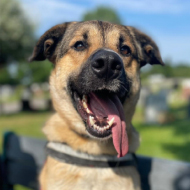
“We’re beginning to see more animals coming into our care because their owners simply couldn’t afford to care for them anymore" - Dr Samantha Gaines, RSPCA.
The RSPCA is urging people to consider adoption when getting a pet, as new figures show more animals are being given up to rescue centres while rehoming is slowing down.
To mark World Animal Day (4 October), the animal welfare charity has kickstarted its annual Adoptober rehoming drive to promote adoption and highlight the many animals in its care.
It comes as figures released by the charity suggest rehoming has fallen 10 per cent while animal intake has increased 8.4 per cent year-on-year. The RSPCA is concerned the current economic crisis could lead to more people relinquishing animals into its care as fewer people can afford to adopt a new pet.
Details published by the RSPCA show that its network of branches and animal centres rehomed 26,945 pets in 2021 – a fall of eight per cent compared to 2020, which saw 29,358 animals rehomed, despite the restrictions of the COVID-19 pandemic.
That same year, the number of dogs rehomed by the RSPCA dropped six per cent from 4,877 in 2020 to 4,567. Cats fell 12 per cent from 17,868 in 2020 to 15,579 in 2021.
Meanwhile, the average stay for an animal rose for dogs by 9.4 per cent and for rabbits by 12.5 per cent. The number of times cats remained in the centres held steady at 67 days.
Pet welfare expert Dr Samantha Gaines believes the charity is only starting to see the impact of COVID-19 and the cost of living crisis.
“Many of the animals - particularly dogs - who are coming into our care have behavioural challenges which could be linked to how they were bred as well as lockdown limiting the amount of training, socialising and outside world experience they had,” she said.
“We’re also beginning to see more animals coming into our care because their owners simply couldn’t afford to care for them anymore; or, in the most extreme cases, having been neglected or abandoned due to the rising cost of pet care.”
She added that this is coming when potential pet owners are deciding that now is not really the right time to be taking on an animal due to the soaring cost of living.
“For those who are able to bring a pet into their home, we are urging them to really consider adopting rather than buying,” Dr Gaines continued. “Many of our animals will already be neutered, vaccinated and treated for fleas and worms - making it much more cost-effective - and we will work with them to make sure they find their perfect match.”


 Eligible members of BEVA will be able to vote for their Council team until Monday, 17 August 2026. Members will have received an election email on 17 July.



