


Government recognises beaver as native species
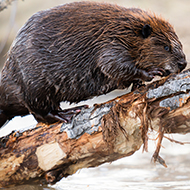
Landowners will not be able to damage a burrow or dam without a license.
Beavers are now officially recognised as a native species in England.
As of midnight on 1 October 2022, the animal has been recognised as a European protected species, making it illegal to capture, kill, injure or disturb them.
The Wildlife Trusts and Beaver Trust have been campaigning for this measure, and are celebrating the news.
Chief executive of Devon Wildlife Trust, Harry Barton, said: “A summer of record-breaking heat and drought has highlighted the urgency of making our landscapes more resilient to the unfolding climate emergency.
“Beavers have created green oases in our parched river valleys, because of their ability to store water through dam building and wetland creation. And we know they can reduce peak flows in times of flood and help improve water quality.”
Welcoming the protection allowing for the widespread reintroduction of beavers, the organisations have highlighted key issues requiring clarification – particularly in regard to supporting landowners and farmers who provide space for beavers and their wetlands.
Sandra King, Beaver Trust's chief executive, explained: “It remains urgent and vital that the Government delivers a clear, ambitious policy and licensing guidance to support beaver restoration in the wild.
“At the end of the day, if we are to welcome beavers back as a native animal our primary objective must be to target positive coexistence with beavers. A properly resourced, forward looking strategy will enable land managers and communities to do this.”
Further information on The Wildlife Trusts and Beaver Trust's appeal to the Government for greater clarity can be found here.


 Companies marketing medicines for small pets exempt from authorisation must submit their annual return to the Veterinary Medicines Directorate (VMD) by 30 November 2026.



