


New BVA president outlines key themes
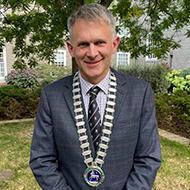
Equine vet Dr Malcolm Morely was elected president at BVA Member's Day.
The new president of the British Veterinary Association (BVA) has outlined his presidential theme for 2022/23 - Investing in People - and pledged to address urgent problems facing the profession and animal welfare.
Dr Malcolm Morely, who took over the role from Dr Justine Shotton on Thursday (29 September), is the Winchester-based Clinical Director at Stable Close Equine Practice.
A graduate of Bristol Veterinary School, he has almost 30 years of equine medicine experience in the UK and Australia, with primary areas of focus including first-opinion practice, dressage horses and pre-purchase examination.
In his first presidential speech, Dr Morely vowed to build on the success of the Good Veterinary Workplaces Initiative and cast light on the practices that inspire others to adapt and embrace the good workplaces principles.
“By inspiring, mentoring and empowering vet teams, we see a strong link to improved animal welfare as well as the retention and satisfaction of people,” he said. “Championing and supporting the next generation of leaders is key to my theme of investing in people.”
Dr Morley also pledged to pay attention to the BVA's strategic priorities and other urgent problems affecting the industry and animal welfare standards, namely bringing the Kept Animals Bill into law, addressing the rise of canine fertility clinics and discussing the effects of the current economic crisis.
He said: “Veterinary medicine is often characterised by animals but in reality, it is a profession intrinsically centred on people, whether they are our colleagues, our clients, the animal-owning public or farming communities. I’m incredibly proud to be part of such a dedicated group of professionals.
“Undoubtedly, it has been a tough few years. We can point to Brexit, the pandemic, and the rapid rise in pet ownership as external factors putting our profession under huge pressure and leaving staff exhausted. However, we must acknowledge that not all the challenges are new, and there are longer-term systemic issues with retention, recruitment, and return to work. Workforce shortages are a key issue.
Dr Morely continued: “We stand at a crossroads, and the road that has brought the profession to where we are now will not be the same one that leads us forward. We can either put our heads down, tighten our belts and hope for the best, or we can acknowledge the issues, focus on solutions and look forward to ensuring veterinary medicine is a great place to work.”
Dr Morley was elected president at BVA Members Day, Clare College, Cambridge, on Thursday (29 September). He will be supported by Dr Anna Judson, who was elected BVA junior vice-president, and Dr Shotton, who now takes on the BVA senior vice-president role.


 Companies marketing medicines for small pets exempt from authorisation must submit their annual return to the Veterinary Medicines Directorate (VMD) by 30 November 2026.



