


Vets welcome Welsh ban on glue traps and snares
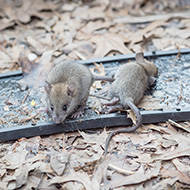
“We will continue to engage with the Welsh government to develop what the scheme looks like in practice" - Collin Wilson, BVA Welsh Branch.
Wales is to become the first country in the UK to introduce a complete ban on snares and glue traps.
On Monday (Sep 26), rural affairs minister Lesley Griffiths unveiled a new Agriculture Bill giving Welsh Ministers the power to promote Sustainable Land Management (SLM) principles and integrate them into Welsh agriculture. How this support is delivered will be defined by the Sustainable Farming Scheme (SFS).
The move has been welcomed by the British Veterinary Association (BVA) which, along with other animal protection and research organisations, has long campaigned for a complete ban on 'inhumane' pest control devices.
The organisation has also played a key role in the development of the new SFS, and BVA representatives are involved in the working group looking at the next stage.
BVA Welsh branch president Collin Wilson said: “This is a landmark piece of legislation which represents a great opportunity to reform the way farmers in Wales receive support. We are particularly pleased to see specific recognition within the Sustainable Land Management goals of the need for high standards of animal health and welfare.
“We are looking forward to seeing more detail on how the conditions within the proposed Sustainable Farming Scheme will support animal health and welfare as a Sustainable Land Management goal. As farmers’ most trusted advisors, vets have a vital role to play in delivering the scheme.
He added: “We will continue to engage with the Welsh government to develop what the scheme looks like in practice, and we look forward to responding to the consultation on the final proposals in 2023.”
BVA recently expressed disappointment that the recent Glue Trap Bill in England fell short of an outright ban and only put restrictions on the general public, still allowing ‘pest controllers’ to apply for licences to use the traps.
Mr Wilson said: “We are keen to see the greater detail of this Welsh Bill to ensure no similar loopholes will be allowed for the pest control industry in Wales."


 Companies marketing medicines for small pets exempt from authorisation must submit their annual return to the Veterinary Medicines Directorate (VMD) by 30 November 2026.



