


Concerns for animal welfare as CO2 plant halts production
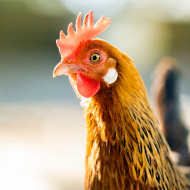
Carbon dioxide is commonly used to stun animals before slaughter.
MP and vet Neil Hudson is warning the government against an impending animal welfare crisis, following an announcement that the UK's last remaining active fertiliser plant and carbon dioxide producer will halt ammonia production.
CF Fertilisers UK - a subsidiary of US-based CF Industries – has said that it will temporarily pause ammonia production and begin importing the gas once the plant has been shut down, citing uneconomical production.
In a statement on his website, Mr Hudson warns that the closure could have 'potentially crippling' impacts on food security, food prices and animal welfare. Carbon dioxide is crucial to UK food production, as it is commonly used to stun animals before slaughter and to keep fresh food cold during transit.
Dr Hudson says that he has written to the Secretary of State for Environment, Food and Rural Affairs calling for urgent action against the significant impacts of the closure. He has also brought the matter to the attention of the EFRA Select Committee, on which he sits.
Dr Hudson said: “As a vet, I’m acutely aware of the impact this could have on our nation’s animal welfare. Carbon dioxide is used in some humane slaughter processes in the pig and poultry sectors. I am asking that the Government acts urgently so that we do not see pigs and birds being unable to be moved off farms, and the drastic negative animal implications that could ensue.”
Dr Hudson has repeatedly called for urgent government action to prevent the halting of ammonia production. In June, he warned ministers about the uncertain future of CF Fertilisers UK and raised it as an emergency topic of the EFRA committee. He has also tabled urgent questions to parliament on the issue.
He added: “This issue is not going away, and I will continue to speak out so that the country does not sleepwalk into a potentially catastrophic food security and animal welfare crisis.”


 A nationwide roadshow offering free, personalised parasite risk assessments and flea and tick checks will be visiting popular dog events across the UK.



