


Access to veterinary care and vaccination status analysed.
A recent study has revealed that the COVID-19 pandemic has had implications for the veterinary care of pet dogs.
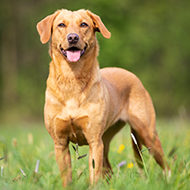
Led by the University of Edinburgh, the study analysed data from more than 4,000 Labrador owners in England between March and July 2020, highlighting the impact that the pandemic restrictions had on the breed. The data was collected from dogs enrolled in Dogslife, an owner-based cohort study.
The study also provided insights into dog owners' decision-making regarding veterinary care, particularly when faced with restrictions.
Despite the fact that illness levels in Labradors remained the same throughout the pandemic, they were taken to their veterinary practice less often, likely due to lack of access or an owner perception that the dogs' ailments were too minor to treat in the circumstances.
Owing to the reduced number of veterinary visits, the number of Labradors who received their vaccinations also fell.
Researchers at the Royal (Dick) School of Veterinary Studies also found that compared to previous years, the Labradors studied were less likely to be insured, which is thought to be a result of many owners' uncertain financial situation.
Although the COVID-19 pandemic undoubtedly had negative impacts on the lifestyle, health, routine care, illness incidence and veterinary attendance on dogs living in England, there was some more positive health benefits for dogs as a result of the pandemic.
Many of the dog owners surveyed reported that as their own fitness routine was developed, their dogs enjoyed an increase in exercise. Less coughing was also reported by owners, and researchers suggest that the reduction in social interactions between dogs slowed the spread of bugs.
Whilst acknowledging that the implications of the changes to dogs' lives as a result of the pandemic have not yet been fully realised, the researchers believe that their findings can help to inform best practice for keeping dogs healthy during future pandemics.
Published in BMC Veterinary Research, the study is available to read here.


 Eligible members of BEVA will be able to vote for their Council team until Monday, 17 August 2026. Members will have received an election email on 17 July.



