


More pets go missing during summer, data reveals
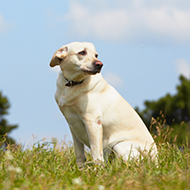
The database saw an 81 per cent increase in reports over summer 2021.
Petlog lost and found pet database, run by The Kennel Club, is warning owners to be vigilant as data reveals more pets go missing during summertime.
This message comes as National Microchipping Month begins, and Petlog hopes that the data revealed will encourage more pet owners to microchip their pets.
Compiling five years' worth of data, Petlog found that the months of June, July and August typically see a 63 per cent increase in pets reported as missing or stolen, in comparison to the winter months.
A sharp increase was seen last year, with 81 per cent more pets reported as lost and stolen over summer 2021.
Bill Lambert, Petlog spokesperson explained: “We aren’t surprised that more pets go missing during summer.
“Routines change, children are home for the holidays, owners go away or abroad, and we’re spending more time out and about in gardens, parks and perhaps exploring new and less familiar outdoor spaces.
“However, it is crucial that owners ensure their pets are safe; microchipping your pet and registering them on a 24/7 reunification database like Petlog, which holds a keeper’s address and phone number, is such a simple step to take but can genuinely be a life-saver, and gives peace of mind.”
Dogs are legally required to be microchipped in the UK, and the Government has announced that the practice will also be compulsory for cats in due course.
Mr Lambert added: “This National Microchipping Month, we want to get more pets microchipped and more owners checking their details are up to date, so if the worst were to happen, and as the likelihood increases during the summer, you have the best chance of being reunited with your furry family member.”


 Eligible members of BEVA will be able to vote for their Council team until Monday, 17 August 2026. Members will have received an election email on 17 July.



