


Birth of wildcat kittens signifies future for the species
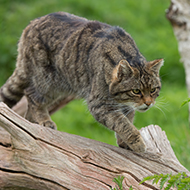
Wildcats are a critically endangered species in Britain.
Three litters of wildcat kittens, with more expected in the coming weeks, will be the first of the species to be released into the wild in Britain.
The kittens were born at the Royal Zoological Society of Scotland's (RZSS) Highland Wildlife Park as part of the Saving Wildcats breeding for release programme.
Saving Wildcats conservation manager David Barclay said: “Put simply, these kittens are the future of wildcats in Scotland.
“Decades of extensive research have shown their species is highly likely to go extinct in Britain if we do not carry out releases to restore our critically endangered wildcat population.”
Eight kittens have been born so far, after 16 wildcats were paired up to conserve the species, and the wildcats will be released into the Cairngorms National Park, in specially selected locations.
Dr Helen Senn, head of conservation and science at RZSS, commented on the initiative: “Wildcats are Scotland's most iconic animal but sadly also one of our most endangered.
“Habitat loss, hunting and inter-breeding with domestic cats have all taken their toll, leaving this incredible species on the brink of extinction.
“Fortunately, our Saving Wildcats team, partners and many other wonderful supporters are working together to restore wildcats in the Highlands.
“Planning is underway for the first releases in 2023, which will be subject to receiving a translocation license.
“This enormously collaborative effort includes our dedicated keepers caring for the cats in the centre, the field team carefully assessing the suitability of potential release sites, and national and international experts sharing best practice and their experience of breeding a whole range of species for release in conservation projects across the globe.”
Commenting on how the wildcat kittens are progressing so far, David Barclay added: “It is still early days for our new wildcat kittens who are very vulnerable in their first weeks and months.
“They have a lot to learn over the next year, but our expert Saving Wildcats keepers will be on hand to help prepare them for the many challenges of life in the wild.
“We have a very hands-off approach with the cats to give them the best possible chance of survival after release.
“This means we are only able to monitor the kittens on remote cameras at the moment, though we have been able to confirm there are at least eight kittens from three litters so far and hope there will be more to follow in the coming weeks.”


 Companies marketing medicines for small pets exempt from authorisation must submit their annual return to the Veterinary Medicines Directorate (VMD) by 30 November 2026.



