


Vet practices coped well with the pandemic, survey finds
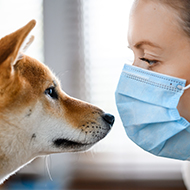
Dogs Trust is highlighting the importance of getting dogs used to being inside the vet practice.
Urgent veterinary care was still available for more than 97 per cent of dog owners during the early stages of the coronavirus pandemic, according to new research.
A March to July 2020 survey conducted by Dogs Trust found that all those who made an emergency visit without an appointment during this time, were seen by a veterinary surgeon.
Of the 2,500 people that responded to the survey, a third of dog owners said they worried about getting access to veterinary healthcare. Reassuringly, however, most people were seen.
Dog Trust researchers analysed data from multiple sources to learn more about access to veterinary care during the coronavirus pandemic from the perspective of dog owners in the UK and Republic of Ireland.
Despite most emergency procedures going ahead, their survey found that many routine procedures were delayed or cancelled. Among them included 28 per cent of planned neuters and 34 per cent of scheduled vaccinations.
Dogs Trust warns that owners may need additional reminders in the future to ensure their dog's preventative care is up to date and to avoid health issues.
The survey also revealed that one-fifth of dog owners experienced remote consultations, with many praising their convenience and being particularly helpful for those shielding or unable to travel.
Some owners reported feeling stressed that they could not accompany their dog into practice, which led to a few delaying seeking veterinary care or seeking it elsewhere, such as a practice offering face-to-face consults.
A number of dog owners also adapted to the situation by carrying out minor tasks at home, such as nail clipping.
In light of its findings, Dogs Trust is highlighting the importance of getting dogs used to being inside the vet practice and developing a positive relationship with veterinary checks to aid dogs in the future.
To help dog owners get their dogs used to being in the clinic, the charity has issued a series of helpful tips, available at dogstrust.org.uk
Katrina Holland, a lead researcher on the study, said: “Being present during the consultation means owners can provide reassurance to their dog but may also help build owner–veterinarian relationships; shape owners’ perceptions of veterinary healthcare; and improve owners’ understanding of–and potentially compliance with–veterinary diagnoses and advice."


 Eligible members of BEVA will be able to vote for their Council team until Monday, 17 August 2026. Members will have received an election email on 17 July.



