


Dog personality not determined by breed – study finds
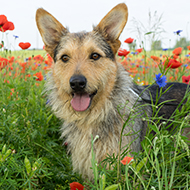
Researchers showed that behavioural characteristics ascribed to modern breeds are polygenic, environmentally influenced, and found, at varying prevalence, in all breeds.
A dog's breed does not determine its behaviour or personality, a new study has discovered.
Investigating how genetics align with breed characteristics, geneticist Kathleen Morrill, graduate student at the University of Massachusetts, Worcester, created a database with her colleagues to collect data on dogs.
Darwin's Ark – the database, collected survey and genetic data on thousands of dogs across the United States.
Participating dog owners answered more than 100 questions about their dog's personality and behaviour, and sent in cheek swabs for DNA sequencing.
Of the surveys submitted, nearly 2,000 dogs had their entire genomes sequenced, and the research team compared the genetic and survey data. This was supported by survey results from 16,000 other dogs.
From the mapping of genes to behavioural and physical traits, it was discovered that while many physical traits were associated with breeds, behaviour was significantly more variable.
Although biddability (how well a dog responds to human direction) was the most heritable trait by breed, researchers concluded that dog breed is ultimately a inaccurate predictor of individual behaviour.
The research team discovered that only nine per cent of dog's personality differences were related to their breed. While knowing breed ancestry can make behavioural patterns more accurate, breed is almost uninformative on traits such as how easily a dog is provoked.
The study, published in Science says: “To date, dog genetics has focused on modern breeds, which capture just a tiny fraction of global canine diversity. Although this made early genomic studies feasible, it limits discovery today.
“By embracing the full diversity of dogs, including purebred dogs, mutts, purpose-bred working dogs, and village dogs, we can fully realize dogs’ long-recognized potential as a natural model for genetic discovery.”


 Eligible members of BEVA will be able to vote for their Council team until Monday, 17 August 2026. Members will have received an election email on 17 July.



