


BVA launches pledges ahead of NI Assembly elections
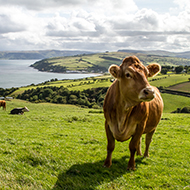
The pledges include a commitment to controlling disease, and applying behavioural science to tackle bovine TB.
The British Veterinary Association (BVA) has created key pledges for all parties to consider, ahead of the Northern Ireland Assembly elections on 5 May 2022.
Compiled by the BVA's Northern Ireland Branch, the manifesto includes 11 pledges for political parties to adopt, all of which are current priorities for the professions in Northern Ireland.
BVA NI branch president Fiona McFarland said: “In this manifesto, we have laid out the priority areas for the Northern Ireland veterinary profession. The manifesto draws together the most pressing issues which matter to our members.
“The veterinary profession plays a vital role in Northern Ireland both in the agri-food sector and in keeping companion animals healthy and cared for. We are focused on protecting all animals from disease threats and maintaining public health.
“We ensure that animal health and welfare is of the highest standard and by working in partnership with farmers and government we can provide a safe and sustainable food chain.”
The 11 manifesto pledges are as follows:
• Support a new vet school for Northern Ireland
• Ensure sufficient government veterinary services
• Collaborate to preserve veterinary medicines access
• Cooperate to simplify post-Brexit pet travel
• Direct agriculture funding towards improving animal health and welfare
• Commit to partnership working to control disease
• Apply behavioural science to tackle bovine TB
• Protect the welfare of animals at slaughter
• Regulate farriers
• Crack down on illegal puppy breeding and commercial movements
• Ban the import of dogs with cropped ears.
Alongside asking all political parties standing for election to adopt the pledges in their manifestos, the BVA is asking its Northern Irish members to write to their assembly candidates and ask them to commit to taking action on these issues if they are elected.
“We would like to see candidates from all parties listen and commit to taking action on these key issues in Northern Ireland,” Fiona added.


 Companies marketing medicines for small pets exempt from authorisation must submit their annual return to the Veterinary Medicines Directorate (VMD) by 30 November 2026.



