


The department is seeking views on improvements to the database system.
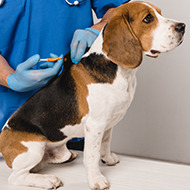
The Department for Environment, Food and Rural Affairs (Defra) is set to launch a consultation on changes to pet microchipping regulations.
It comes in response to recommendations of the Pet Theft Taskforce, which highlighted a requirement for improved navigation of the database system and the transfer of keepership records.
Defra said the eight-week consultation will seek views on reforms to the database system, 'including faster access for approved users and regular reminders for keeping records updated'.
The department will be seeking feedback on new requirements for registering additional details and establishing a single point of access so that microchip records can be accessed promptly by permitted users.
It added that transferring of keepership records will also be strengthened to prevent lost or stolen animals from being re-registered without the keeper's knowledge, as well as to avoid duplicates.
The proposals aim to improve breeder traceability by making it mandatory for the breeder's information to stay on the database throughout the animal's life - even if the animal's keeper changes or the microchip record is moved to another database, the department said.
Animal welfare minister Lord Goldsmith commented: “Pets are much loved members of the family, and microchipping is the best way of making sure owners can be reunited if their pet is ever sadly lost or stolen.
“We have reviewed the current regulations and the Pet Theft Taskforce’s recommendations, and it is clear improvements are needed to better protect the welfare of our nation’s pets. These proposals will create a more effective system to better animal welfare and deter pet theft.”
The proposed changes will apply to cats and dogs, with cat microchip records stored on the existing database system. A recent consultation found that 99 per cent of people support plans to introduce compulsory cat microchipping.
BVA president Justine Shotton said: “We’re delighted that the Government is gathering views on how to make the microchipping system fit for purpose. We strongly recommend microchipping as a safe, effective and permanent way to identify individual animals, but the sheer number of databases and the fact that they don’t routinely communicate with each other currently present significant barriers to successful reunification of lost pets and owners.
“Streamlining the system into a single point of entry and driving up standards across all databases would help to spare heartache for many pet owners and start things on a positive footing when compulsory cat microchipping is rolled out next year.”


 Eligible members of BEVA will be able to vote for their Council team until Monday, 17 August 2026. Members will have received an election email on 17 July.



