


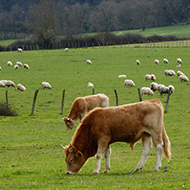
The campaign will enhance responsible prescribing processes.
The Animal Health Distributors Association (AHDA) has launched a campaign to tackle anthelmintic resistance. Focusing on prescribing, the campaign features a five-step plan to manage resistance.
Using data obtained through its network of animal medicines distributor companies, the AHDA has outlined key action points to encourage responsible prescribing.
Created to consider anthelmintic resistance in lambs, the campaign now includes endoparasites, ectoparasites and vaccines, and will include all species which receive POM-VPS medicines.
The five point action plan is as follows:
• move from verbal prescription to a mandatory written or recorded prescription
• compulsory anthelmintic resistance CPD taken within each two-year cycle for RAMAs/SQPs
• make faecal egg counting a normal and essential process in the prescribing of anthelmintics
• focus on pack sizes to ensure they meet prescribing requirements
• aim to create a specific and active animal medicine plan for each flock/herd.
AHDA secretary general, Bryan Lovegrove, said: “A number of key industry groups and organisations are well aware of the challenge that anthelmintic resistance poses to farmers and the wider sheep industry, and have already put in place policies and procedures to manage it.
“However, we feel this is an industry challenge that needs closer attention and awareness, so over the last six months AHDA has been focussed on a project of work that has been initially looking at anthelmintic resistance and now more broadly at enhancing responsible prescribing.
“Quite simply, more work needs to be done to make a difference, or the sector is going to be in a difficult position when it comes to anthelmintic resistance.
“And in our position, with the collective power and influence of our members and the support of other key organisations in the industry, we are driving this forward.
“By involving our members, who are in direct contact with livestock owners, our aim is the for the key issues surrounding the prescribing process to be addressed head on.”


 Companies marketing medicines for small pets exempt from authorisation must submit their annual return to the Veterinary Medicines Directorate (VMD) by 30 November 2026.



