


Feline hypertension cases reaching "crisis point"
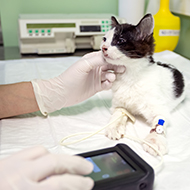
"The sooner we can identify those that need help, the better a chance we have of extending their quality and quantity of life” - Suzanne Page, CEVA Animal Health.
The number of senior cats in the UK going undiagnosed with feline hypertension is reaching “crisis point”, a vet from CEVA Animal Health has warned.
If left untreated, hypertension can result in target organ damage, with ocular problems developing in at least 80 per cent of cases, said Suzanne Page, a product manager at CEVA.
The warning follows two years of the COVID-19 pandemic, during which many cats may not have been presented to their vet unless it was an emergency. As such, CEVA Animal Health is calling on vets to review their caseload of senior cats to assess whether any may be at risk of retinal haemorrhage or strokes associated with hypertension.
Suzanne said: “Despite the potential for catastrophic sequelae such as retinopathy and blindness, owners may see very little in the way of warning signs. That means these patients are completely reliant on a veterinary recommendation for blood pressure monitoring.”
Ideally, all cats over the age of nine should be screened for hypertension regularly. However, in light of the pressures currently facing the profession, CEVA urges vets to prioritise the most at-risk cats - that is, those with predisposing conditions, such as kidney disease and hyperthyroidism.
Ms Page added: “There is a real danger that many of those cats will be close to crisis point right now, and the sooner we can identify those that need help, the better a chance we have of extending their quality and quantity of life.”
CEVA offers a complimentary Feline Hypertension Ambassador CPD course for vets wishing to improve their knowledge of the disease, including the importance of regular screening and blood pressure monitoring techniques. For more information, visit veterinarywebinars.com/ceva


 Eligible members of BEVA will be able to vote for their Council team until Monday, 17 August 2026. Members will have received an election email on 17 July.



