


Herd of forty ponies rescued by welfare charities
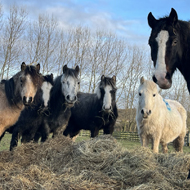
"The fact that we were able to find places for them is testament to the way all the different organisations involved through NEWC work together" - Rae Andrews, World Horse Welfare.
Rescue charities across the UK have worked together to take in a large herd of ponies after their owner's sudden death.
The herd, consisting of forty ponies, were signed over into the care of World Horse Welfare in late 2021, and the charity immediately begun working to find space and suitable accommodation for each one.
Field officer from World Horse Welfare, Raw Andrews, explained: “Cases involving large numbers of horses or ponies are unfortunately frequent, and always pose a logistical problem to find spaces to take them all in at one time.
“The fact that we were able to find places for them is testament to the way all the different organisations involved through NEWC work together.
“This case also highlights the importance of considering that difficult thing: what will happen when we are no longer there? - and making plans for the provision of your animals once you are gone.”
Upon collaborating with the National Equine Welfare Council (NEWC), World Horse Welfare took in 14 of the ponies, which moved to Penny Farm Rescue and Rehoming Centre. HAPPA took in six ponies, five went to Bransby Horses, and the remainder went to Blue Cross, with one pony rehomed directly to a family friend of the owner.
Tracy Heaton, equine inspector from HAPPA, said: “It is always a pleasure working alongside my World Horse Welfare colleagues supporting them offering our resources and enabling such great teamwork.
“Especially in today’s difficult equine welfare climate, working in collaboration is key to getting the job done. The task involved in the round up of large groups can be extremely challenging and is reliant on a knowledgeable, proficient team working in harmony with each other; likewise, HAPPA equally works with World Horse Welfare calling on their resources to assist us on equine operations where necessary.
“The ponies have really settled into HAPPA’s Rescue Centre, Shores Hey Farm, where they will continue on a Rehabilitation Journey, learning to interact and socialise under the guidance of our Equine Team.”


 A nationwide roadshow offering free, personalised parasite risk assessments and flea and tick checks will be visiting popular dog events across the UK.



