


Hundreds of birds fall from sky in Pembrokeshire
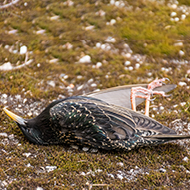
Pembrokeshire City Council confirmed that 200 birds died in the incident.
Some 200 starlings are reported to have died in mysterious circumstances in Pembrokeshire, Wales.
The incident occurred on Thursday evening (10 Feb) between Waterston and Hazelbeach. A Pembrokeshire Herald reporter described the scene as “birds falling from the sky in what looked like the hundreds”.
“There were 50 plus birds on the road, and you could hear them all in the hedges, squawking and making noises,” they said. “I don’t know what happened, really no idea, I can’t think it was a bird of prey, they weren’t flying and hitting the road, they were falling dead.”
An RSPB spokesperson said this can occur if birds are disturbed during their evening roost, adding: “When this happens during night-time, it can cause them to collide with the ground as they become disorientated.”
Officers from Pembrokeshire City Council confirmed that 200 birds had died but the cause of the deaths remains unknown. The incident has been reported to the Animal and Plant Health Agency (APHA).
This is not the first time starlings have fallen from the sky in mysterious circumstances. In December 2019, hundreds of starlings were found dead on an unclassified road in Anglesey.
The birds were also found in nearby hedgerows, but not in the surrounding fields, sparking international speculation on the various possible causes, from avian flu to 5G signals, to a sonic boom.
North Wales Police said at the time: “It’s highly likely the murmuration took avoiding action whilst airborne, possibly [from] a bird of prey, with the rear of the group not pulling up in time and striking the ground.”
Tests carried out by the APHA on the birds confirmed trauma and internal bleeding as the cause of death, supporting the theory that the birds died from impact with the road.


 Companies marketing medicines for small pets exempt from authorisation must submit their annual return to the Veterinary Medicines Directorate (VMD) by 30 November 2026.



