


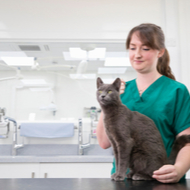
The University's bid for an SPG has been successful.
Harper Adams University will receive a funding investment of almost £500,000 after a successful bid for a Strategic Priorities Grant (SPG) to the Office for Students.
The University said in a press release that the funding will be used for the purchase of equipment for animal handling and house, large animal anatomy models, and the refurbishment of the veterinary nursing building to allow for further numbers of students.
Confirming the success of Harper Adams' SPG bid, Minister of State for Higher and Further Education, the Rt Hon Michelle Donelan MP, wrote in a letter: 'Reforming the distribution of SPG capital funding has allowed better targeting of funding to improve and expand teaching and learning facilities that support our key priorities.
'This includes the provision of high-cost subjects that support the NHS and wider healthcare policy, high-cost STEM subjects, and subjects meeting specific labour market needs.
'We know businesses are facing skills shortages. We also know that the skills that businesses need will continue to evolve given the pace at which technology and industry is changing.
'As such, another key priority for this capital funding is to enhance graduate employability and address the skills needs of employers and industry, especially in supporting technical provision at Levels 4 and 5.
'This will help enable providers and students to develop the skills and knowledge needed locally, regionally, and nationally that will strengthen the economy.'
Commenting on the investment, Professor Ken Sloan, Harper Adams vice chancellor, said: “We are delighted to have been awarded this funding to extend the facilities we use in our veterinary nursing and veterinary physiotherapy education and research.
“Together with the recent launch of the Veterinary Education Centre and our partnership with Keele University to deliver the Harper Keele Vet School, we can offer access to leading edge facilities, infrastructure, and learning and research environments to ensure those graduating from Harper Adams have the skills and experience needed to be sector-leading animal health and wellbeing professionals.”


 Companies marketing medicines for small pets exempt from authorisation must submit their annual return to the Veterinary Medicines Directorate (VMD) by 30 November 2026.



