


VNFutures launches diversity and inclusion group
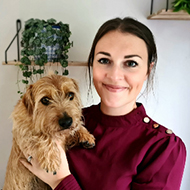
Pictured: Jo Oakden, BVNA senior vice president and chair of the DIWP working group.
VNFutures, a joint initiative between the RCVS and BVNA, has launched its Diversity, Inclusion and Widening Participation Working Group (DIWP).
The group, whose work will be to actively address diversity and inclusivity within the veterinary nursing profession, held its inaugural meeting on 9 November 2021.
Aiming to enlist allies and role models within the profession, the group hopes to provide education, build awareness, and offer aspiration to veterinary nurses from all backgrounds, and will work with the RCVS Diversity and Inclusion Group (RCVS DIG) to strive for widened participation in the professions.
Jo Oakden, senior vice president of the BVNA, and chair of the group, commented: “I am really excited to finally get this group up and running, it has been in the pipeline for a while, and the time is right.
“It comes with the close of VNFutures Part 1 and the release of the interim report; and this topic being discussed within the Veterinary Nursing profession couldn’t be more needed.
“We have focused before on encouraging more males into the profession, but with a rise in RVN’s on the register to 20k nurses in 2021, this is the right time to open-up this conversation and widen participation.
“We also need to drive a culture change in our profession, that we are accessible to those from a multitude of backgrounds, as well as supporting those already in our profession.”
The group's initial campaign is to recruit role models from diverse backgrounds, who can share their experience working in veterinary nursing, and encourage others from similar backgrounds to consider joining the profession, as well as demonstrating to other veterinary nurses that they are not alone.
“I think our first campaign to gather role models is key. To feel part of a profession you need to see others that you can relate too in the profession,” said Jo.
“A role model isn’t perfect, but a role model is inspiring, and can support others that may face challenges and inspire many more into the profession. I am really enthused for what this group will bring, with such an amazing group membership.”
Anyone who wishes to be one of these role models and 'share their story' is encouraged to get in touch with the BVNA at bvna@bvna.co.uk


 Companies marketing medicines for small pets exempt from authorisation must submit their annual return to the Veterinary Medicines Directorate (VMD) by 30 November 2026.



