


Pennard Vets appoints new managing director
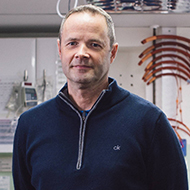
Pictured: Jeff Gascoyne, managing director at Pennard Vets.
Pennard Vets, the world's largest employee-owned veterinary practice, has appointed a new managing director.
Jeff Gascoyne, who comes with over 17 years of industry experience, said of his new role: “My role will be to help and support the entire team to achieve greatness through collaborative and inclusive leadership, as we continue to grow and exceed our client’s expectations.
“Compassion, client focus and continually improving everything we do is what makes Pennard Vets extraordinary.”
Prior to joining Pennard Vets, Jeff Gascoyne has worked at Vets for Pets as its operations director and later business acquisitions director, holds an Honorary Associate Professorship in Veterinary Business Management from The University of Nottingham, and most recently, has spent five years as a partner at Scarsdale Vets, where he has been executive director and executive chairman.
“The fact that all Pennard Vets’ 99-strong team across six sites in Kent are practice owners and shareholders in the business, following the move to becoming an Employee Ownership Trust (EOT) this year, was really appealing to me. Like any new member of the team, I now also own a stake in the business,” Jeff said.
“Pennard Vets is fiercely independent and has stayed true to its 125-year-old core values and that is very inspiring.
“Knowing how passionate Pennard Vets’ directors, Matthew, Caroline and Andy, are about ensuring a bright and independent future for everyone, I was keen to become a part of the team.”
Commenting on Jeff's appointment, Andy Green, a director from Pennard Vets, said: “Jeff is highly experienced and a strategic thinker, who has the ability to help us achieve our goals.
“He will play an important part in integrating new people and practices into our EOT model, as we expand our reach throughout Kent and beyond.
“With a keen focus on operations and processes within the business, Jeff will help us to give more veterinary professionals the opportunity to join Pennard Vets, whilst also ensuring our clients and patients remain at the heart of everything we do.”


 Companies marketing medicines for small pets exempt from authorisation must submit their annual return to the Veterinary Medicines Directorate (VMD) by 30 November 2026.



