


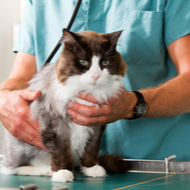
Cats Protection publishes key findings from its 2021 Cats and Their Stats report.
Around five million cats in the UK are not routinely visiting the vet, new research has found.
Figures from the 2021 CATS (Cats and Their Stats) report reveal that while 89 per cent of cat owners are registered with a veterinary practice, just 47 per cent go to their vet for an annual check-up - a fall of eight per cent since the start of the coronavirus pandemic.
The cost of veterinary appointments and the stress of taking their cats to the vet were cited by owners as reasons why they did not attend annual checkups. However, experts at feline welfare charity Cats Protection, which led the report, believe the impact of the COVID-19 pandemic on veterinary services may have also played a part.
Now in its second year, the CATS report is an independent research project involving more than 10,000 people across the UK, including those who already own cats and individuals that would like to.
The 2021 report also reveals there has been a rise of around 600,000 owned cats in the past year, bringing the total number in the UK to 10.8 million.
Owned cats are generally bought, adopted from a UK rescue centre, or taken on from a friend or family member. More than half of purchased cats, however, were found online (52 per cent), but this figure appears to be rising. Of those cats bought in the last year, 68 per cent were found online.
Commenting on the findings, Dr Sarah Elliott, central veterinary officer for Cats Protection, said: “As a charity that cares passionately about cats, it’s great to see so many more cats in happy homes.
"It is very encouraging to see a resurgence in the popularity of cats, especially among young people, and our report helps identify key priority areas where Cats Protection can better support cat owners and make a big difference to cat welfare.
“During the 2020/21 financial year* we estimated that around 1.2 million pet cats were not registered with a vet practice and five million pet cats were not being taken to the vet for a routine visit.
“The CATS Report uncovered reasons for this, including owner worries about the cost of vet appointments and their own cat’s stress at being taken to the vet. However, it may be that during the pandemic, reduced access to veterinary care also played a role."
She added: “Cats Protection can support owners with some of these issues, for instance, we provide advice to people via our website and Contact Centre, about how to calm pet cats before taking them to the vet. This and the other insights gained through the CATS Report mean we can continue to look at emerging trends, take decisive action and make the UK a much better place for pet cats and their owners.”
* Reporting period was March 31, 2020, to March 31 2021


 Eligible members of BEVA will be able to vote for their Council team until Monday, 17 August 2026. Members will have received an election email on 17 July.



