


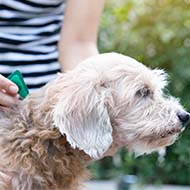
Vets urged to take a proportionate, targeted and responsible approach.
Leading veterinary organisations have set out new joint recommendations on the use of small animal pesticides in response to concerns about the impact of some treatments on the environment.
The BVA, BSAVA and the BVZS' new position statement on the ‘Responsible use of parasiticides for cats and dogs’ recommends vets should always take a proportionate, targeted and responsible approach to the use of small animal parasiticides and carefully weigh up all risks before prescribing or recommending treatment.
The advice comes in response to BVA's Voice of the Veterinary Profession survey, which found that 98 per cent of companion animal vets are concerned about the impact of some treatments on the environment, with more than two in five (42%) feeling very concerned.
“The impact of small animal parasiticides on the environment is an issue which is an increasing concern in the veterinary profession,” commented BVA President Dr Justine Shotton. “Our new joint position not only highlights areas of concern and recommendations around using these medicines responsibly but also how veterinary professionals can act now in order to protect the environment.
“We recognise that some of the recommendations for change will mean a substantial shift in approach for many practices but we’re encouraged by the strength of feeling in the profession that a more risk-based approach is needed.”
There is growing unease that some pesticides commonly used as flea treatments could contaminate the environment and cause harm to wildlife, ecosystems and public health. Contamination can occur via animal waste or the product being washed into rivers from wastewater in homes. There are also concenrs about the build up of product resistance.
In addition to concerns about the impact of parasiticides on the environment, BVA's survey also reveals that nearly nine in ten (87%) companion animal vets agree that small animal medicines should be environmentally risk assessed.
The BVA says that while risk assessment is important, the knowledge gaps in relation to parasiticides and parasites make analysis difficult. In light of their findings, the BVA, BSAVA and BVZS are calling for more research to be undertaken in areas such as the risks of parasites and parasite-borne disease on human and animal health and the risks of commonly used parasiticides and combination products on the environment.
Dr Shotton said: “We recognise the need for more research in this area, but the potential risk for harm is clear from the existing evidence base. Our understanding and position will develop as the evidence base grows but for now we want to start a conversation, encourage professionals to see this as a priority and support them as they consider their approach to parasiticide use in the meantime.”


 Eligible members of BEVA will be able to vote for their Council team until Monday, 17 August 2026. Members will have received an election email on 17 July.



