


Two-thirds of new pet owners 'not aware' of the financial cost
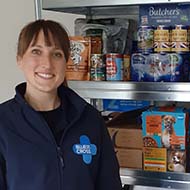
Blue Cross has launched pet food banks to help with the growing crisis.
Blue Cross has launched new services to help people on low incomes after over half of new pet owners said they would have to give up their animals within months if they lost their job or faced a sudden loss of earnings.
Statistics suggest that over three million pets were taken on during the first year of the COVID-19 pandemic, and new research by Blue Cross has revealed that more than two-thirds of new owners are not aware of the costs of raising a new pet.
In response to these new statistics, Blue Cross has added new services over the course of the pandemic, including pet food banks, a donation based animal behaviour line and increased charity vet support.
The charity's donation-based behaviour helpline began in March 2020, and has since assisted a number of pet owners, including some so desperate financially that they were considering putting their pet to sleep or rehoming them.
Blue Cross animal behaviourist Rachel Myers commented on the need for increased charity vet services: “With such drastic changes to our lifestyles during the lockdowns, we knew this would also have a huge impact on the lives of our pets.
“Families spending much more time at home meant pets were forced into a new routine and this led to several worrying trends in pet behaviour with some showing signs of aggression and even nipping their owners or guarding precious items.
“While we ask for a donation for our advice, sadly, more than half of callers to the helpline stated they simply couldn’t afford to give us a donation so we know there many owners really struggling to cope.”


 Eligible members of BEVA will be able to vote for their Council team until Monday, 17 August 2026. Members will have received an election email on 17 July.



