


Partnership to develop antimicrobial treatment guidelines
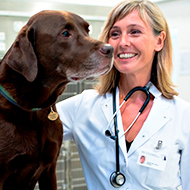
Dr Lisbeth Rem Jessen.
The World Small Animal Veterinary Association (WSAVA) has teamed up with the European Network for Optimization of Veterinary Antimicrobial Treatment (ENOVAT) to develop and share clinical guidelines on veterinary antimicrobials.
Through the partnership, WSAVA will support the development of two sets of guidelines (canine acute diarrhoea and antimicrobial use in surgical prophylaxis) and translate them into a range of languages to make them accessible to companion animal practitioners on a global scale.
Dr Luca Guardabassi, chair of the WSAVA’s Therapeutics Guidelines Group, said: “This is a very timely collaboration as it is essential to offer veterinarians evidence-based guidelines on rational antimicrobial use in companion animals.
“The WSAVA looks forward to playing a key role in disseminating the key recommendations from these documents, making them accessible and understandable to a wide audience of general practitioners on a global scale”.
ENOVAT aims to optimize veterinary antimicrobial use with a particular emphasis on the development of antimicrobial treatment Guidelines and the refinement of microbiological diagnostic procedures.
Under the agreement, the WSAVA will provide feedback from its 115 association members to inform the content of the Guidelines and ensure their relevance globally. The Association will also produce a series of easy-to-read and engaging infographics to help reinforce key information points.
Dr Lisbeth Rem Jessen, ENOVAT’s chair of the Guidelines initiative, said: “The goal of the ENOVAT Guidelines is to advance antimicrobial stewardship while providing best possible care for our patients in veterinary practice.”


 Eligible members of BEVA will be able to vote for their Council team until Monday, 17 August 2026. Members will have received an election email on 17 July.



