


Vets question Geronimo decision in open letter
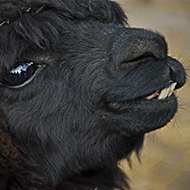
"We believe Geronimo's case shines a light on the shortcomings of the current bTB testing policy."
In an open letter to the government, 13 RCVS members, and one former RCVS member have expressed 'grave reservations' over the Defra's handling of Geronimo the alpaca, as reported by BBC News.
Following a petition to save the alpaca from destruction, people across the UK continue to campaign to prevent the culling of Geronimo.
However, Defra has maintained that the alpaca is legally required to be put down, and a current destruction warrant for the alpaca is valid until 4 September.
In a new development, 13 veterinary surgeons have asked the government to have Geronimo 'compassionately studied' rather than put down. The letter requested that environment secretary George Eustice overturn the destruction warrant and order that Geronimo should instead be scientifically observed.
As reported by BBC News, the letter states that: “We could learn a great deal from Geronimo were he to be compassionately studied, but very little from his death.
"We believe Geronimo's case shines a light on the shortcomings of the current bTB testing policy, and gives an opportunity for a comprehensive review of the bovine TB testing and control policy, based on science and for the health and wellbeing of farmers, cattle, alpacas, badgers, the environment and the public."
Not only does the letter criticise Defra's handling of Geronimo's case, but also criticises the way in which Defra handles bovine tuberculosis (bTB) as a whole.
A spokesperson for Defra has responded to the development, commenting: “We are sympathetic to Ms Macdonald’s situation – just as we are with everyone with animals affected by this terrible disease.
“It is for this reason that the testing results and options for Geronimo have been very carefully considered by Defra, the Animal and Plant Health Agency and its veterinary experts, as well as passing several stages of thorough legal scrutiny.
“Bovine tuberculosis is one of the greatest animal health threats we face today and causes devastation and distress for farming families and rural communities across the country while costing the taxpayer around £100m every year.
“Therefore, while nobody wants to cull animals, we need to do everything we can to tackle this disease, stop it spreading and to protect the livelihoods of those affected.”


 A nationwide roadshow offering free, personalised parasite risk assessments and flea and tick checks will be visiting popular dog events across the UK.



