


NOAH Compendium to go digital
"We thank prescribers and users of animal medicines for their support on this decision." - Dawn Howard.
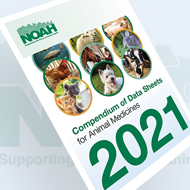
The National Office of Animal Health (NOAH) has confirmed that it's 2022 Compendium book will be the last one to be produced as a hard-copy.
Following feedback given by users of the Compendium, NOAH has made the decision to make the Compendium entirely digital, as part of its environmental commitment. This will be done using the Compendium website and app, which both provide freely accessible up-to-date information.
NOAH chief executive Dawn Howard commented on the change: “We commissioned an independent survey of users who work in veterinary practices to understand their usage and attitudes in relation to each of the formats, to help ensure that NOAH provides the Compendium information in a way that meets their needs.
“We were particularly pleased with the extent of awareness and use of our digital formats, which of course provide the most up to date information. Out of the 677 survey responses, 86% were aware of the website and 45% were aware of the app – and we are confident their use will continue to grow. The app was particularly popular with the 26 – 35 age group, with well over two thirds (71%) accessing it weekly.
“We have become increasingly aware of the disparity between the book published is of course only published annually and that online, and how important it is that the most up to date information is used. With that, coupled with our review of NOAH’s own sustainable footprint and the impact of producing and distributing 6000 copies of a publication of over 2,000 pages (even using FSC paper) has led us to the decision that this year’s book will be our last.”
Both the app and the website provide information on over a thousand animal medicines, with the app also possessing the ability to scan datamatrix barcodes in veterinary medicine packaging, providing instant information, which supports accurate prescribing and responsible use.
Dawn added: “We know some people will be disappointed, as the book has been our familiar ‘go to’ over the years, but we really believe this to be the right decision as we have confidence that our online formats can provide the easy access and importantly, the accurate prescribing information that’s needed.
“In the coming year, we will be working even harder to improve the user experience for the Compendium app and website and we welcome any comments on what would make these resources even more valuable.”


 Companies marketing medicines for small pets exempt from authorisation must submit their annual return to the Veterinary Medicines Directorate (VMD) by 30 November 2026.



