


Government to test African swine fever contingency plans
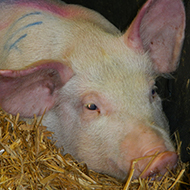
ASF spreads between animals, but it can also be passed by feeding infected meat.
Government contingency plans for African swine fever are set to be tested this week in a UK-wide exercise to assess the UK’s preparedness to manage such an outbreak.
The operation, named ‘Exercise Holly’, will see the APHA, Defra, the Scottish and Welsh Governments and the Environment and Rural Affairs in Northern Ireland test out plans to contain and eliminate the disease should it reach UK shores.
ASF is a disease of pigs and wild boar but does not affect humans. Historically, outbreaks have been reported across Africa, South America and the Caribbean. In recent years, however, the disease has devastated pig populations across much of Asia, Africa and parts of Europe.
While there has not been an outbreak of ASF in the UK, the identification of the disease in wild boar in parts of Eastern Germany sparked concern that it is only a matter of time. ASF spreads between animals, but it can also be passed by feeding infected meat to other animals.
Ministers hope the 24-hour exercise, beginning on Thursday 22 July, will help improve the UK’s animal disease response capabilities through testing plans, instructions and the structures employed in managing an outbreak.
A joint statement issued by the UK’s four Chief Veterinary Officers reads: “The risk of African swine fever arriving in the UK is ever-present and would have a devastating impact on our pigs and pig keepers if it ever reached our shores. We regularly test our contingency plans in this way to ensure that we are ready to respond to potential future disease outbreaks.
“Everyone can do their bit to help stop animal diseases spreading to this country through simple actions such as not bringing any pork products back to the UK and disposing of leftovers and food waste in secure bins that wildlife cannot access.”


 A nationwide roadshow offering free, personalised parasite risk assessments and flea and tick checks will be visiting popular dog events across the UK.



