


Sheep association welcomes new legislation on livestock worrying
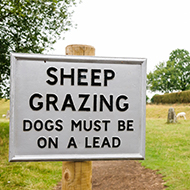
The cost of dog attacks on farm animals in the UK rose to an estimated £1.3m during the pandemic.
The National Sheep Association (NSA) has welcomed new measures to clamp down on livestock worrying in England and Wales.
On Monday (7 June), Defra announced new powers as part of its Kept Animals Bill to enable the police to respond to livestock worrying incidents more effectively. The legislation will make it easier for police to collect evidence and, in severe cases, seize and detain dogs to minimise the risk of further incidents.
“The NSA Sheep worrying survey 2021 highlighted the continued increase year on year of these devastating attacks and underlined the significant emotional cost experienced by farmers,” commented NSA chief executive, Phil Stocker. “Due to the pandemic there are more people with more time to walk dogs than in the past and dog ownership has increased markedly – all of which have added to an increased threat to livestock and livelihoods.
“The NSA welcomes this new Kept Animals Bill that we hope will strengthen legislation to support local police forces and rural crime teams in resolving and hopefully stopping these incidents. We look forward to continuing to work with Defra, and other interested organisations, to address the issue of dogs attacking sheep and other livestock, to change behaviours and attitudes for the good of all.”
Figures released by NFU Mutual show that the cost of dog attacks on farm animals in the UK rose by 10 per cent to an estimated £1.3m during the pandemic.
Owners that allow their dogs to worry livestock already face a maximum fine of £1,000. However, these new reforms will address current enforcement challenges and modernise the legislation to ensure it remains fit for purpose.
The new measures include increasing the number of species covered by the law to llamas, emus, enclosed deer and donkeys. There will also be more powers for police to seize dogs after serious incidents if they suspect the dog might pose an ongoing risk to livestock.
“Growing up on a farm and having suffered from a dog attack at home, I know first-hand the devastating effect of livestock worrying and the distress that it causes farmers and animals as well as the financial implications,” commented farming minister Victoria Prentis. “We are cracking down on this issue by introducing new laws to tackle this offence and giving police more powers to act on reports of livestock worrying.”
Minister for rural affairs Lesley Griffiths said the new measures will be welcomed by many who keep livestock and live in the countryside.
“Livestock worrying is a distressing issue, and we want to make sure we do all we can to tackle it,” she said. “We are working with the UK Government on introducing further safeguards through the Kept Animals Bill.”


 A nationwide roadshow offering free, personalised parasite risk assessments and flea and tick checks will be visiting popular dog events across the UK.



