


New guidance on microchip scanning of dogs
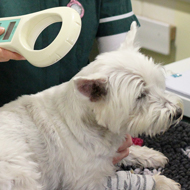
Vets will now be required to scan for a microchip in dogs before euthanasia where destruction of the dog is not necessary on animal health and welfare grounds.
The RCVS and the BVA have issued a joint statement setting out a new guidance-led approach to microchip scanning of dogs ahead of euthanasia.
The Defra-approved guidance comes in response to Tuk's Law - a public campaign calling for measures to ensure that no pet can be euthanised without having its microchip scanned for a ‘rescue back up’ (a re-homing charity that could take responsibility for the animal).
In their response to the campaign, the RCVS and BVA agreed that more ‘could and should be done’ to prevent dogs from being needlessly euthanised but expressed concern that a legislative approach had the potential to undermine a vet’s clinical judgement and unfairly involve them in ownership disputes.
In a statement released to the profession on Thursday (20 May), the organisations write:
‘In consultation with Defra, the RCVS and BVA jointly agreed a way forward for key guidance for veterinary surgeons to be strengthened. The new guidance, which underpins the RCVS Code of Professional Conduct that all UK-practising veterinary professionals must follow, will require veterinary surgeons to scan for a microchip in dogs prior to euthanasia where, in their professional judgement, destruction of the dog is not necessary on animal health or welfare grounds.
‘It will also support existing best practice in terms of discussing alternatives to euthanasia with clients, and give vets flexibility where, in their professional judgment, scanning is not appropriate; this might be if scanning would itself cause a welfare problem, or where a vulnerable client might be involved.’
Environment secretary George Eustice said: “We are a nation of animal lovers and the government is committed to further strengthening our world-leading animal welfare standards. We have worked closely with the Royal College of Veterinary Surgeons and British Veterinary Association to develop this new guidance, which honours the Tuk’s law principles by requiring vets to scan the microchips of healthy dogs to help ensure they are not put down unnecessarily.”
RCVS resident Dr Mandisa Greene said: “We are grateful to Defra for helping find a workable solution to a challenging problem that will support animal welfare while underpinning the central role of a veterinary surgeon’s judgement, in what is often a very difficult moment for both the client and the vet. We are confident that our new guidance will significantly reduce any risk of unnecessary and unwanted euthanasia while continuing to help veterinary surgeons help animals under their care to the best of their abilities.”
BVA senior vice president Dr Daniella Dos Santos said: “One of the most important jobs as a vet is having those difficult conversations with clients about euthanasia where we talk through all the options that are in the animal’s best interests. But where the vet doesn’t consider that euthanasia is necessary, the new guidance clearly sets out the steps we need to take. We support this constructive approach that addresses the campaigners’ concerns without undermining veterinary judgement.”
The updated guidance has been written into Chapter 8 (para 8.9) and Chapter 29 (paras 29.25 – 29.27) of the supporting guidance to the RCVS Code of Professional Conduct.


 Eligible members of BEVA will be able to vote for their Council team until Monday, 17 August 2026. Members will have received an election email on 17 July.



