


RCVS event to celebrate veterinary nursing profession
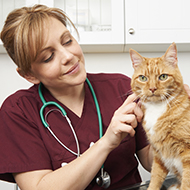
All members of the veterinary team are invited to watch the live event.
The RCVS is set to host a special online event for veterinary nurses later this month to celebrate those joining and achieving within the profession.
Concluding Veterinary Nursing Awareness Month (May 2021), Veterinary Nurses Evening (27 May) will see more than 150 newly qualified veterinary nurses welcomed to the RCVS register and will celebrate members of the profession that have recently achieved their Diploma in Advanced Veterinary Nursing (DipAVN).
Veterinary surgeon and leadership coach Anne-Marie Svendsen Aylott will deliver a keynote speech on resilience during difficult times, entitled 'Turning resilience theory into resilient vet nurses'. RCVS director of veterinary nursing Julie Dugmore will also provide an update on the current project work of the joint RCVS and BVNA’s VN Futures project as well as other RCVS initiatives.
The event will be hosted by VN Council chair Matthew Rendle together with RCVS President Mandisa Greene. Matthew said: “Not only is this event taking place during Veterinary Nursing Awareness Month, but it also takes place during the ‘Diamond Jubilee’ of the veterinary nursing profession, it being 60 years since the launch of the first RCVS-approved Animal Nursing Auxiliary (ANA) training scheme.
“More will be announced about this anniversary on the night, but VN Evening will be a perfect opportunity to celebrate our new generation of veterinary nurses as well as our DipAVNs who are continuing to advance and grow our profession and its skillset, all those decades since we first started.
“All members of the veterinary team are invited to watch the event live – we do hope you can join us and celebrate veterinary nursing after what has been a pretty difficult year for all of us.”
The evening takes place on Thursday, 27 May over two sessions beginning at 6.30 pm and 8 pm, respectively. To register or view either event, visit rcvs.org.uk/vnevening-21


 A nationwide roadshow offering free, personalised parasite risk assessments and flea and tick checks will be visiting popular dog events across the UK.



