


Technology could be harnessed to improve diagnostics in practice
Researchers at the Royal Veterinary College (RVC) have used machine-learning technology to diagnose Cushing’s syndrome in dogs.
One of the most common endocrine diseases of dogs, Cushing’s syndrome can increase the risk of diabetes mellitus, hypertension and pancreatitis. Treatment, therefore, relies on a fast and accurate diagnosis, but this can be difficult to achieve based on clinical symptoms alone.
Vets have traditionally diagnosed Cushing’s through multiple blood tests - but this is a costly, lengthy process that is not always accurate.
In a bid to address this problem, researchers within the RVC’s VetCompass programme, supported by Dechra Ltd, anonymised data from 939 dogs tested for Cushing's at practices across the UK.
The team used machine-learning algorithms to assess the dogs’ clinical records, including demographics, clinical signs at presentation and laboratory results. Dogs suspected of having Cushing’s were also inlcuded in the analysis.
Their findings, published in Scientific Reports, suggest that machine-learning technology could predict the diagnosis of a practising vet and may also contribute to improved diagnosis of the disease.
Imogen Schofield, lead author and PhD student at the RVC, said the development of the algorithms could lead to more reliable and cost-effective care for dogs with Cushing’s disease - and may also help in the diagnosis and treatment of other clinical problems.
“Machine-learning algorithms, like those used in this study, are already widely integrated in our day-to-day lives to help make certain decisions, such as Google or Netflix recommendations. Now this technology can be harnessed to help improve diagnostics in veterinary practice,” she explained.
“By embracing the use of machine-learning methods, we are a step closer to providing vets in primary-care practice with an easy to use, low cost and accurate test that can support the often frustrating process of diagnosing Cushing’s syndrome in dogs."
Greg Williams, senior business manager at Dechra Ltd. and industrial supervisor of the PhD studentship, said: “As experts in Endocrinology, our constant endeavour is to strive for better and earlier diagnosis and treatment of pets with endocrine diseases. By funding Imogen's PhD and working with the RVC we have been able to develop validated clinical scoring and quality-of-life assessments to help vets deliver effective control and management of Cushing's syndrome in dogs.
“In addition, this innovative development of the machine-learning-based prediction of Cushing’s syndrome means we have the potential to further support and improve vets' ability to diagnose Cushing’s, and thereby improve a dog’s quality-of-life, and as a result their owner’s quality-of-life.”
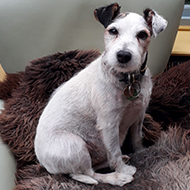
Image (C) Imogen Schofield.


 Eligible members of BEVA will be able to vote for their Council team until Monday, 17 August 2026. Members will have received an election email on 17 July.



