


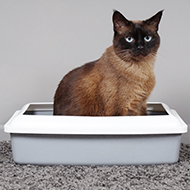
Vets attribute the spike to stress caused by changes in routine.
A new survey has revealed a rise in urinary tract issues in cats and dogs that is thought to be linked to increased stress resulting from lockdown.
Figures published by Royal Canin show a 39 per cent rise in cats diagnosed with urinary problems and a 10 per cent rise in cases of urinary disorders in dogs.
Vets that participated in the survey attributed the rise to increased stress levels caused by changes in routines, leading to owners and children spending more time at home.
Despite a 10 per increase in new and recurring cases of urinary diseases in dogs, only a third of vets said they were running more urinary stone analyses than a year ago. More than half stated they are carrying out the same number of urinary stone tests for dogs, and 12 per cent are carrying out fewer tests.
Costs and the time taken to receive results were cited as the main barriers to using a urine stone analysis more frequently.
Around 35 per cent of vets said cost was a factor, and 33 per cent said the time to get test results was an issue. Only 16 per cent of vets surveyed were aware that Royal Canin provides a free urine stone analysis service with a 10-day turnaround.
The survey of 200 vets and 300 owners also reveals that owner compliance is the lead factor stopping the successful treatment of urinary disorders in cats and dogs. Other barriers raised include difficulty obtaining urine samples from cats and reluctance to invest in follow up investigations.
“Our research revealed that many pet owners don’t understand urinary disease - a third don’t know what the causes are and over a third mix feed a urinary diet with other food," commented Elisabete Capitao, vet and vet marketing manager at Royal Canin.
"Considering that owners want the best for their pets, poor diet compliance could be a consequence of this lack of understanding about urinary disease.”


 Eligible members of BEVA will be able to vote for their Council team until Monday, 17 August 2026. Members will have received an election email on 17 July.



