


Concerns raised over aversive training methods
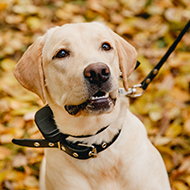
Almost a quarter of pet owners believe it is acceptable to use items such as electronic shock collars as part of their pet's training.
Almost a quarter of dog owners believe it is acceptable to use items such as electronic shock collars as part of their pet's training, according to new research, yet more than a third incorrectly believe they are banned in England.
Findings published by national charity Blue Cross also show that only eight per cent of people have sought pet behaviour advice from qualified behaviourists, while 22 per cent admit to relying on YouTube channels and TV programmes.
With the lockdown bringing restricted access to vets and trainers, Blue Cross says it is becoming increasingly concerned pet owners are turning to the wrong sources when seeking out training advice.
Ryan Neile, head of animal behaviour at Blue Cross said: “With so many taking on a new pet over the last year, and many more considering a new addition to the family in coming months, it is vital that research into approved and reliable training techniques are investigated.
“Older techniques such as aversive training are still used by some today, despite further research showing the damage these methods may cause. Sadly, the relationship between a pet and owner can soon break down if the pet cannot trust their owner, which may lead to fear and further behavioural problems.”
Aversive training techniques serve to suppress specific behaviour through fear or pain. Common methods include the use of electric shock collars, which were banned in Wales in 2010 yet are widely accessible and legal in England.
Blue Cross has long campaigned for a ban on the use of “cruel and unnecessary” electric shock collars. The charity says the equipment can compromise a dog’s mental wellbeing and welfare - and may even provoke the behavioural problems they aim to address.
TV programmes such as Canine Intervention and Dogs Behaving Badly are also muddying the waters when it comes to training, the charity said, and can lead to pet owners doing more harm than good.


 Eligible members of BEVA will be able to vote for their Council team until Monday, 17 August 2026. Members will have received an election email on 17 July.



