


“There are so many of us suffering silently” - Chloe Hannigan, VetYogi
The hidden pain of endometriosis and the effect it can have on professional life is set to be explored in an online discussion, hosted by Veterinary Women.
Coinciding with Endometriosis Awareness Week (1-7 March), the online talk will also tackle other taboo topics affecting women, such as smear tests and hormonal mood swings.
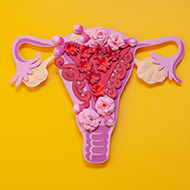
Endometriosis is a painful, often unrecognised, condition, in which the tissue lining the womb spreads to other places, such as the fallopian tubes and ovaries. The condition can affect women of any age, causing pelvic pain and fertility problems.
The event builds on the success of Veterinary Women's health month series in October 2020. VetYogi Chloe Hannigan, who will be leading the discussion, said she felt compelled to share her experiences after hearing from other women in the veterinary profession.
“The bravery of my friends and colleagues opening up to share their experiences of subjects as personal as infertility and breast cancer really struck a chord with me,” she said. “There are so many of us suffering silently, feeling we have to just soldier on and keep things to ourselves. But talking and sharing opens the door to empathy, understanding and can lead to practical measures to improve our working lives.”
She added: “I have found my yoga practice hugely beneficial to managing my symptoms – both mentally and physically – and I want others to know there are things we can do to help ourselves and each other.“
Liz Barton, editor of Veterinary Woman, said: “Having seen the overwhelming response to the health month discussions, and the magnitude of the impact of menopause highlighted in our recent report, I now want to see the development of practical tools to help women and practices to support happier and healthier working life.
“I appreciate these topics aren’t easy to bring up – especially in practice. We hope that by starting the conversation it can be talking point for others who are struggling. We want to make it ‘okay to say’, and ensure the awareness and tools are there so when individuals do speak up, it is met with understanding and the willingness and ability to help.”
The event takes place on the Veterinary Woman Facebook page at 8 pm on Wednesday 17 March. Companies and organisations wishing to support this work should contact liz@veterinarywoman.co.uk


 Companies marketing medicines for small pets exempt from authorisation must submit their annual return to the Veterinary Medicines Directorate (VMD) by 30 November 2026.



