


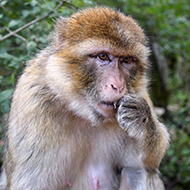
Lions, primates and elephants among 'pet' animals revealed in survey.
A new survey by Born Free has found that nearly 4,000 dangerous wild animals are being kept privately in the UK. The charity is calling on the government to review licencing laws immediately in order to protect the welfare of these animals.
Currently, under the Dangerous Wild Animals Act 1976, anyone in Britain can keep a dangerous wild animal as long as they obtain a licence from their local authority.
Born Free investigated the number of Dangerous Wild Animal (DWA) Act licences granted by local authorities across England, Scotland and Wales, and the variety of species being privately kept.
Findings highlighted that in 2020, a total of 210 DWA licences were granted for the private ownership of 3,951 wild animals including:
- 320 wild cats including lions, tigers, leopards pumas and cheetahs
- 274 primates including more than 150 lemurs
- 158 crocodilians
- 508 venomous snakes
- 332 scorpions
- 106 venomous lizards
- two elephants.
Other species being kept as pets or in private collections in the UK include zebras, camels, hyena, wolves, and otters. Additionally, Born Free believes that many additional dangerous wild animals are being kept without a licence.
Although the DWA requires the applicant to demonstrate that their animals are properly contained to prevent escape, Born Free states that very little to ensure the welfare of the animals or the protection of the owner or anyone else visiting the property.
Veterinary surgeon Dr Mark Jones, who is also Born Free’s head of policy, said: “The UK likes to claim to be at the forefront of efforts to protect nature and improve the welfare of animals, yet our legislation governing the keeping of and trade in exotic pets is woefully outdated.
“The Dangerous Wild Animals Act should be overhauled as a matter of urgency, to phase out the private keeping of, and trade in, those species that clearly don’t belong in people’s homes.”


 Companies marketing medicines for small pets exempt from authorisation must submit their annual return to the Veterinary Medicines Directorate (VMD) by 30 November 2026.



