


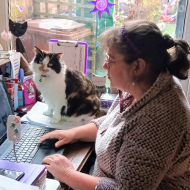
Event will discuss "Jasmine's Law" and the importance of pets in an age of lockdown.
A webinar to discuss legislation limiting the ability of landlords to impose “no pets” policies in rental accommodation is taking place on Friday, 26 February.
Hosted by MP Andrew Rosindell, the event will discuss the proposed Bill, dubbed “Jasmine's Law” which had its first reading in Parliament last October. The Bill would make it a right for renters to own a pet so long as they could demonstrate they are responsible owners.
“Jasmine’s Law” is named after a Weimaraner who was separated from his owner, Jordan Adams, because of restrictions imposed on tenants where he lives. The “no-pet clause” on his rental accommodation means that he cannot temporarily look after Jasmine when his mother goes on holiday for fear of losing his home.
During the Webinar, Mr Rosindell and a panel of guest speakers will discuss this landmark bill and the importance of pets in an age of lockdown. Among the speakers include East-Midlands-based charity AdvoCATS, broadcaster and nutrition expert, Anna Webb, and Interim CEO of Battersea Dogs & Cats Home, Peter Laurie.
AdvoCATS co-founder Jennifer Bereza will provide a presentation on pet damage insurance options for landlords and tenants. According to the charity, just seven per cent of landlords advertise their properties as being suitable for pets, and many charge a monthly 'pet rent' top up.
The deposit cap imposed by the Tenant Fees Act 2019 wiped out the scope for a landlord to request a pet deposit from animal owning tenants, which led to many landlords adopting blanket “no pets” clauses in their rental contracts. Now change is on the horizon - especially with "Jasmine's Law" and the new Model Tenancy Agreement - landlords are raising concerns about being able to recoup any damage costs caused by pets.
Pet damage insurance could provide an acceptable solution, as Ms Bereza explains: “For far less than the extra "pet rent" charged by some landlords, tenants could obtain more cover for damage to a landlord's property by a pet or pets than the pet deposit ever provided. While currently there are few such policies, and there is a significant lack of publicity around them, greater awareness and a change in the law would lead to more being developed.
“We see this as an absolute game changer for the landlord/tenant/pet relationship, and if a landlord's right to request that such insurance was held was enshrined in law, it would go a very long way to allowing tenants to keep pets they have or adopt for the first time. We'd therefore like to see the Tenant Fees Act's secondary legislation, the List of Permitted Payments, amended to include pet damage insurance.”
The event, entitled #APetInEveryHome - Jasmine's Law and pets in an age of lockdown, will take place on Zoom on Friday, 26 February at 9.30 am. To register for the event, visit parliament-uk.zoom.us/webinar/register/WN_QB-ky2nxRbqE2BjscSbPDQ


 Eligible members of BEVA will be able to vote for their Council team until Monday, 17 August 2026. Members will have received an election email on 17 July.



